

Explore stories

Snakebite pills? Varsity explores life-saving alternatives to antivenom
South Africa records an estimated 250 to 300 snakebite incidences every year, but not all bites are recorded on the official platform, which means the data is incomplete, said Prof Anél Petzer, a pharmacist at the North-West University.

Restoring the human touch: How AI could transform healthcare and patient safety in SA
In an overstretched healthcare system, a missed warning sign or delay can put a patient’s life at risk.
This is not a theoretical concern – it is the reality.
Across South Africa, clinical teams face high patient volumes and overlapping symptoms, making timely and accurate decisions increasingly difficult.
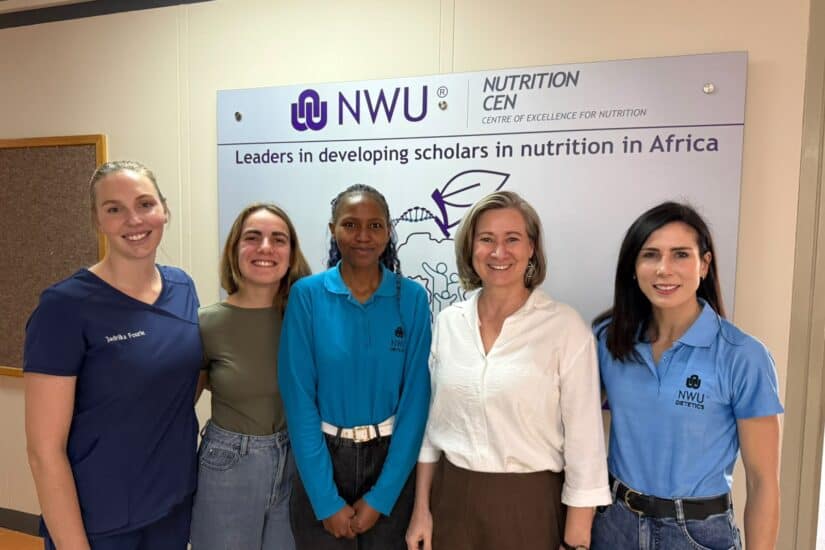
Omega-3 fatty acids and TB recovery: Could they support the body during treatment?
Tuberculosis is preventable and curable, yet it remains one of the country's deadliest infectious diseases.
In South Africa, about 249 000 people develop tuberculosis (TB) annually. An estimated 54 000 die from it.
Those are staggering numbers, says Prof. Linda Malan from the North-West University’s (NWU) Centre of Excellence for Nutrition
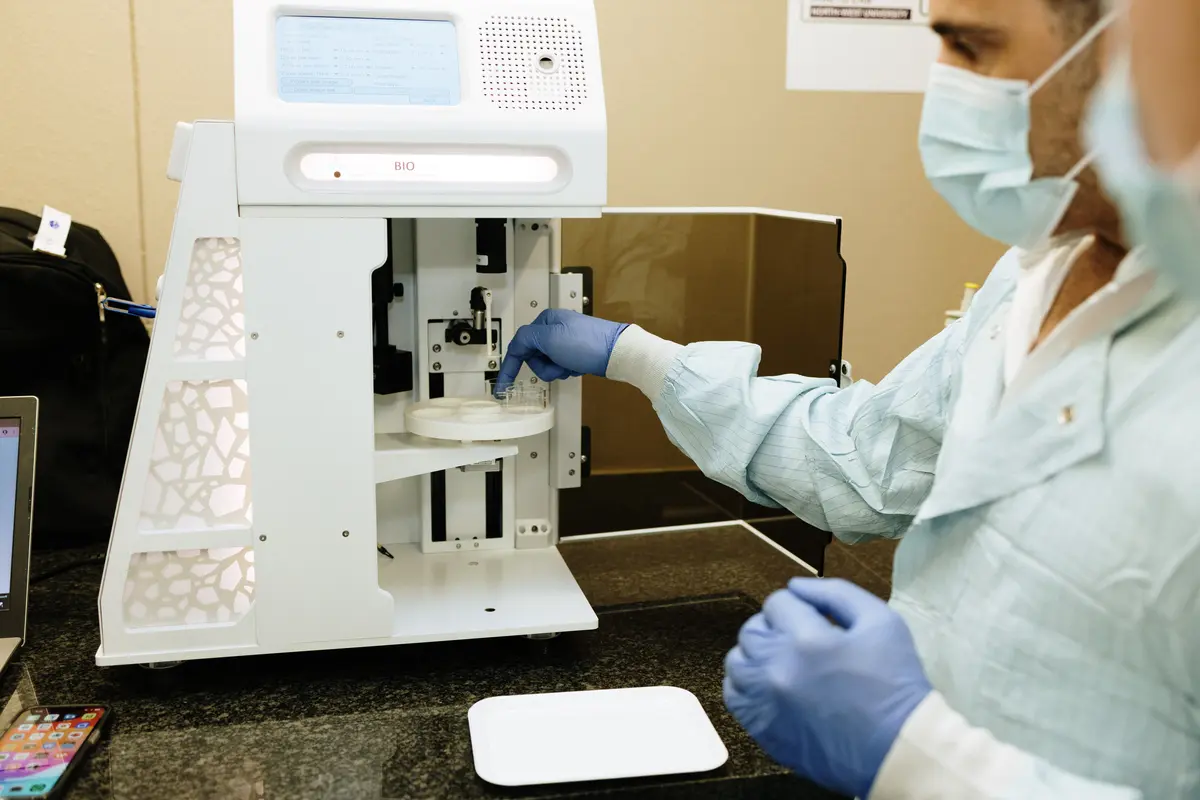
How the NWU is rethinking disease research to reduce animal testing
Understanding the human body is central to medical research, but recreating its complexity in the laboratory is no simple task.
At the North-West University (NWU), researchers are developing human-based models that replicate aspects of human physiology and disease, potentially reducing the need for animal testing.
Beyond survival: Why premature babies need more than just lifesaving care
For a premature baby, surviving the neonatal intensive care unit is a first victory – but it is only the beginning.
For a tiny human born too soon, those weeks in neonatal care are about far more than survival, says Prof. Welma Lubbe, professor at the North-West University’s (NWU) Faculty of Health Sciences.
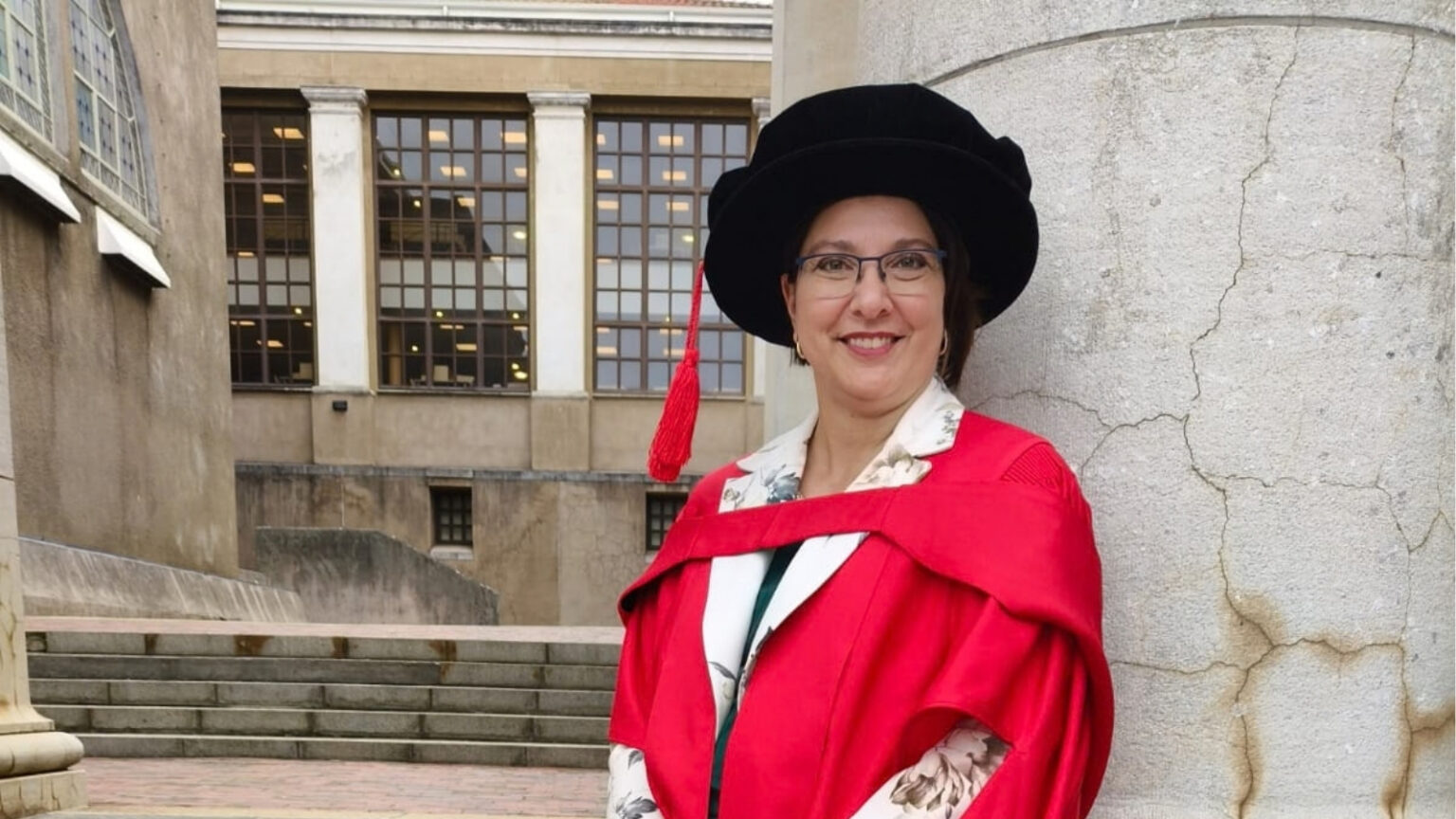

Beyond resilience: Who takes care of South Africa’s nurses?
South Africa demands a lot from its nurses. Sometimes, it asks the impossible. The reality is sobering: each registered nurse is responsible for about 14 patients. Yet when nurses struggle under this pressure, they are often told simply to become more resilient.
Diabetes in kinders: Waarom meer as net mediese behandeling nodig is
Dit begin dikwels met iets kleins: 'n aanhoudende dors, minder energie, onverklaarbare moegheid of skielike gewigsverlies. Vir 'n kind wat alles tussen die klaskamer, sportveld en kultuurgroep moet balanseer, kan dit maklik soos gewone uitputting lyk. Maar dit kan ook die eerste tekens van tipe-1 diabetes wees.


Iron study seeks answers for young South African women
Fatigue, poor concentration and declining physical performance are easily blamed on stress, demanding schedules or a lack of sleep. For many young women, however, these seemingly ordinary symptoms may point to an overlooked nutritional problem: iron deficiency.
Appreciate your kidneys, protect your future
Your kidneys work quietly, filtering waste, balancing fluids and regulating blood pressure every single day. Most people never think about these essential organs until something goes wrong and, unfortunately, statistics show that kidney disease is a growing problem. Millions of South Africans are affected by kidney disease and many do not even know they have it.
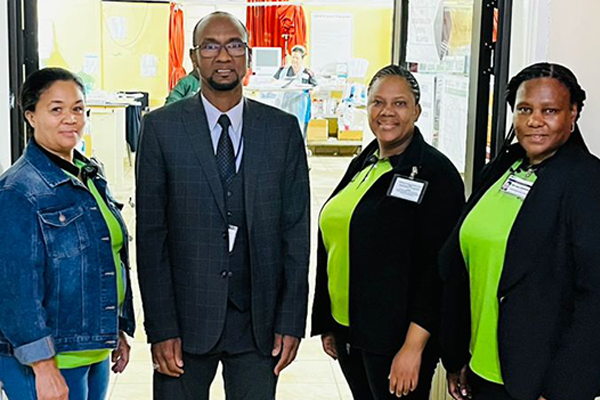

Shrinking the distance to great healthcare - IOL
What if patients could be monitored at home, rural healthcare professionals could consult specialists elsewhere, and artificial intelligence could identify medical patterns that might otherwise be missed? These possibilities are no longer confined to the distant future.
Building a library of hope: How NWU is changing rare disease diagnoses
Worldwide, there are more than 7 000 identified rare diseases. In South Africa, an estimated 3,5 to 4,2 million people are living with one.
For many, the search involves repeated consultations, tests and even misdiagnoses.
For others, answers never come.

How the NWU is engineering better healthcare for all South Africans - News24
Healthcare in South Africa is a study in contradictions. It is a system burdened by rising demand, chronic understaffing, inconsistent data use, and widening socio-economic pressures. Yet it is also a space of innovation, where new ways of thinking promise real, measurable improvements.
At the North-West University (NWU), this promise is being shaped by Healthcare Systems Engineering, a transdisciplinary initiative that began as a doctoral pursuit and has since grown into a national strategic asset.
Prof. Kruger helps shape the first hypertension guidelines for Africa
Hypertension remains one of Africa’s fastest-growing health concerns and a leading contributor to stroke, heart failure, kidney disease and premature death. The challenge is that elevated blood pressure is still often viewed as a condition that affects only adults.


North-West University: Preparing the nest generation of pharmaceutical scientists
“Our research priorities are driven by unmet medical needs,” he says. “We focus on diseases where current therapies are inadequate because of drug resistance, toxicity, limited accessibility, or poor treatment outcomes.”
That focus defines everything at Pharmacen™.